
🌿 10 Steps to a Tea Garden
A Simple Start
This winter has felt long. Between the late 20 inches of snow and the high winds, it’s been one of those seasons that really settles in.
But there’s something about steeping a pot of hot tea that calms my soul and reminds me of the beauty of it all.
Because even in the cold, something is happening beneath the surface. The earth is waking up. The flowers, the bugs—spring is slowly making its way back.
Seasons are meant to be cherished, not rushed.
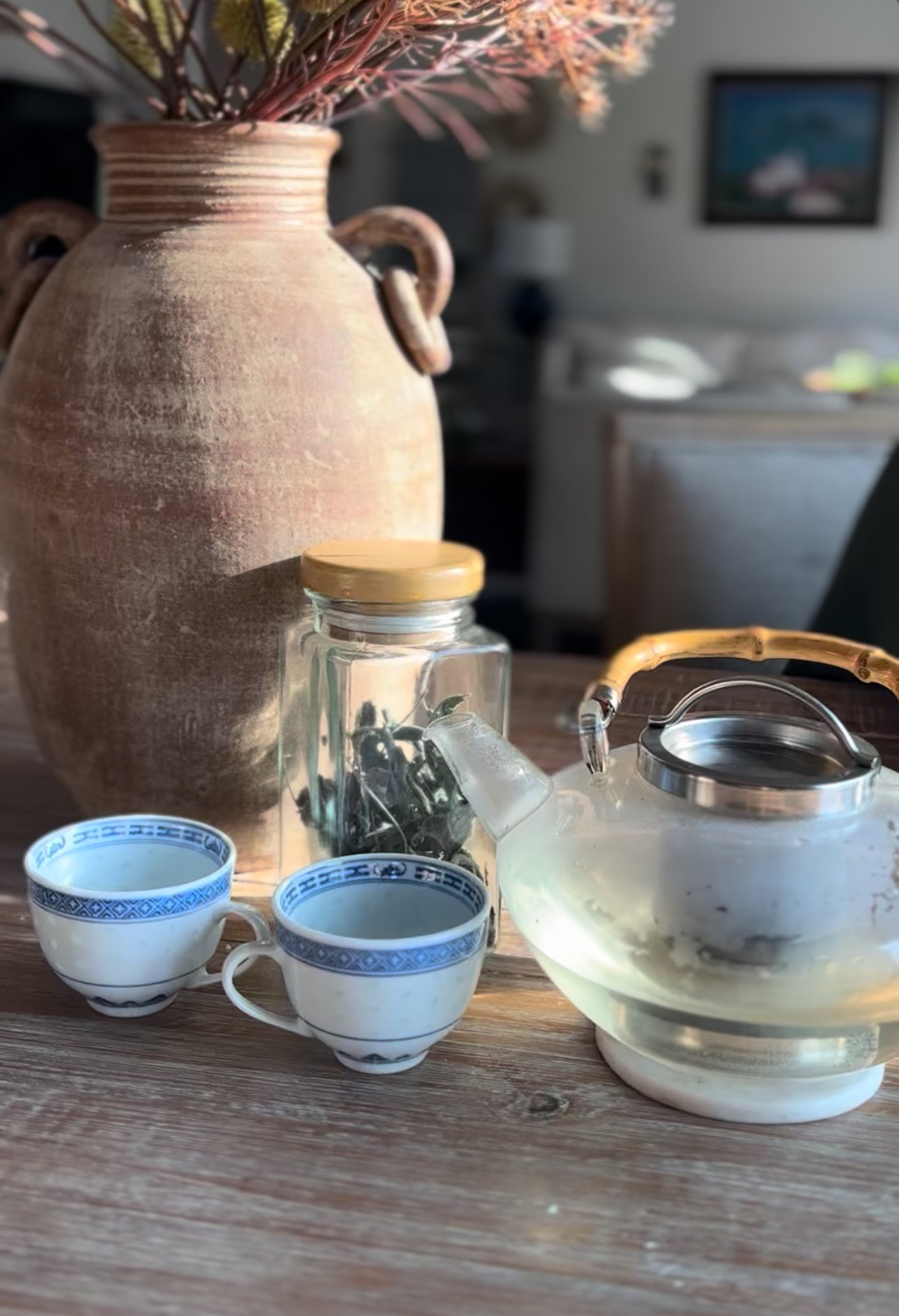
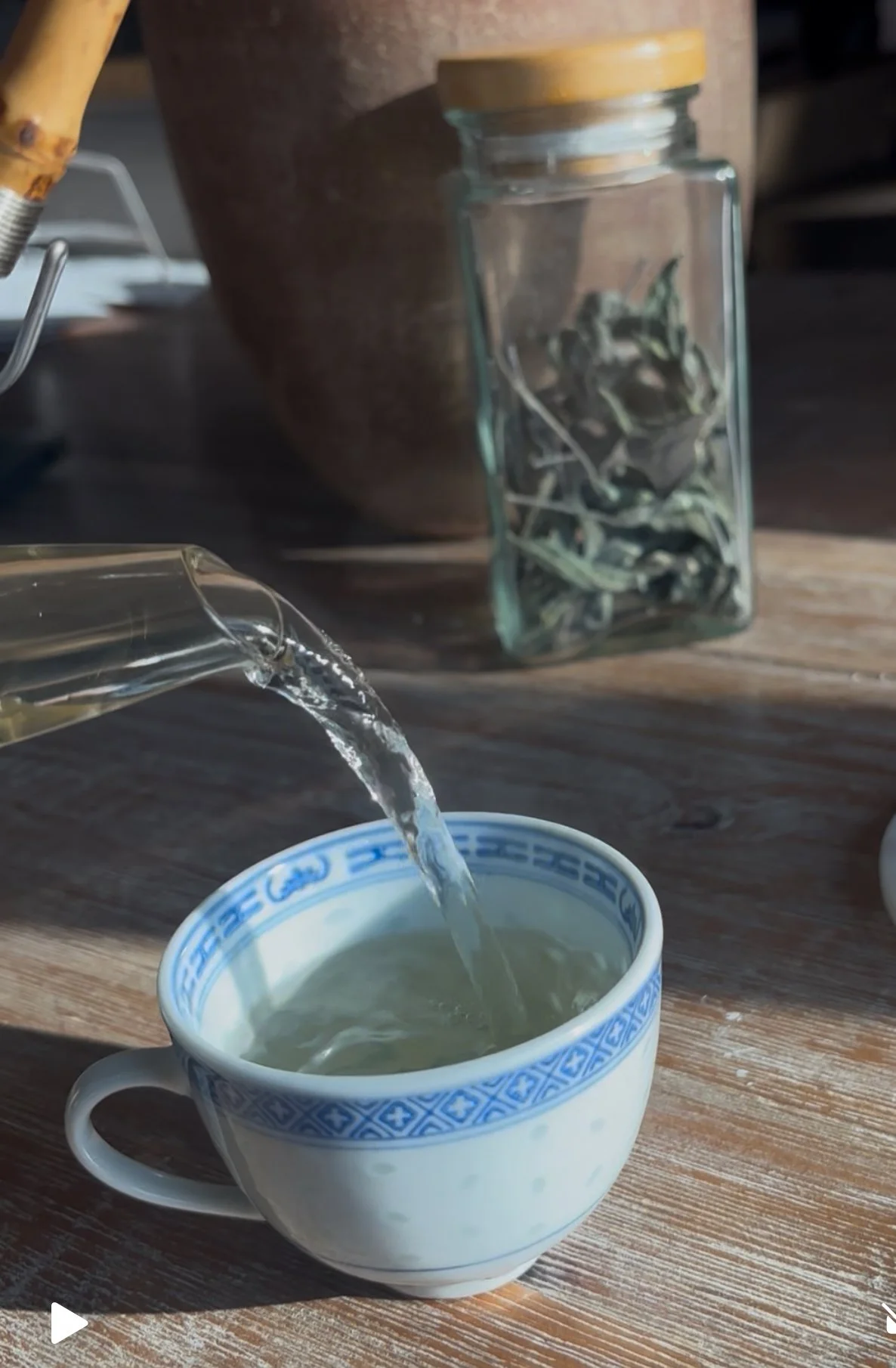
It’s easy for me to say that right now, as a few rays of sun break through my living room window, gently warming the space around me while I sit with a cup of fresh mint and hibiscus tea.
The last scoop of dried mint—from a friend’s garden last fall.
And somehow, that makes it all feel connected.
In this guide, I’m going to spill the tea… and it’s going to be so good.
I’m not a master gardener.
I just love the idea of stepping outside, picking something I grew, and turning it into a cup of tea.
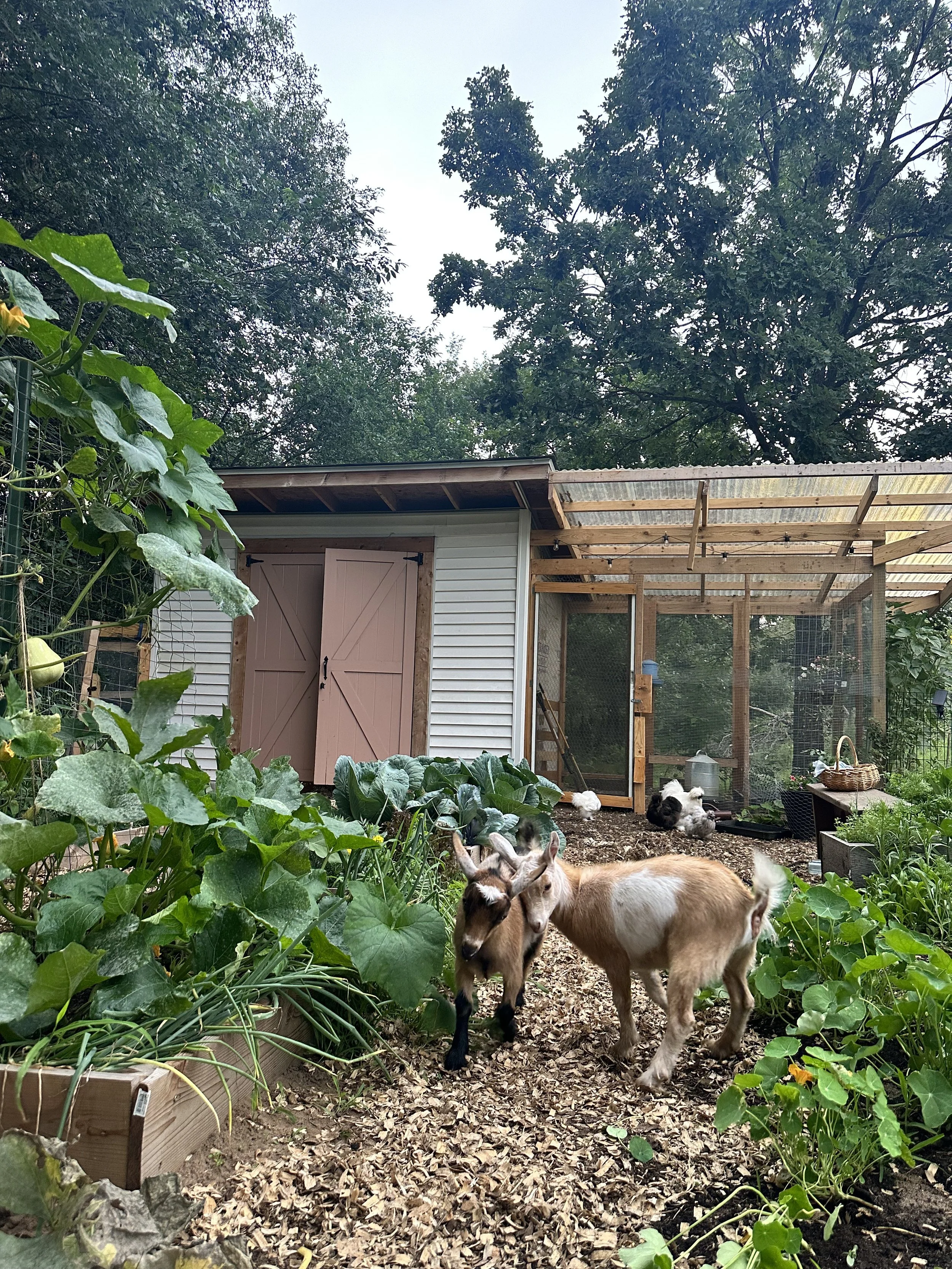
I have a few flower beds I built out of cedar planks—not perfect, but they do the job. And honestly, that’s kind of the point.
You can build a small bed, use grow bags, or plant in pots—whatever you have works.
Seeds, soil, water, and sun are a beautiful combination.
-
I’m in Minnesota (Zone 4), which means cold winters and a shorter growing season.
But there’s still so much you can grow.
👉 Just search “planting zone + your zip code” and you’ll know what works for you.
-
Don’t overthink it. Start with what sounds good in a cup.
Here’s what I like:
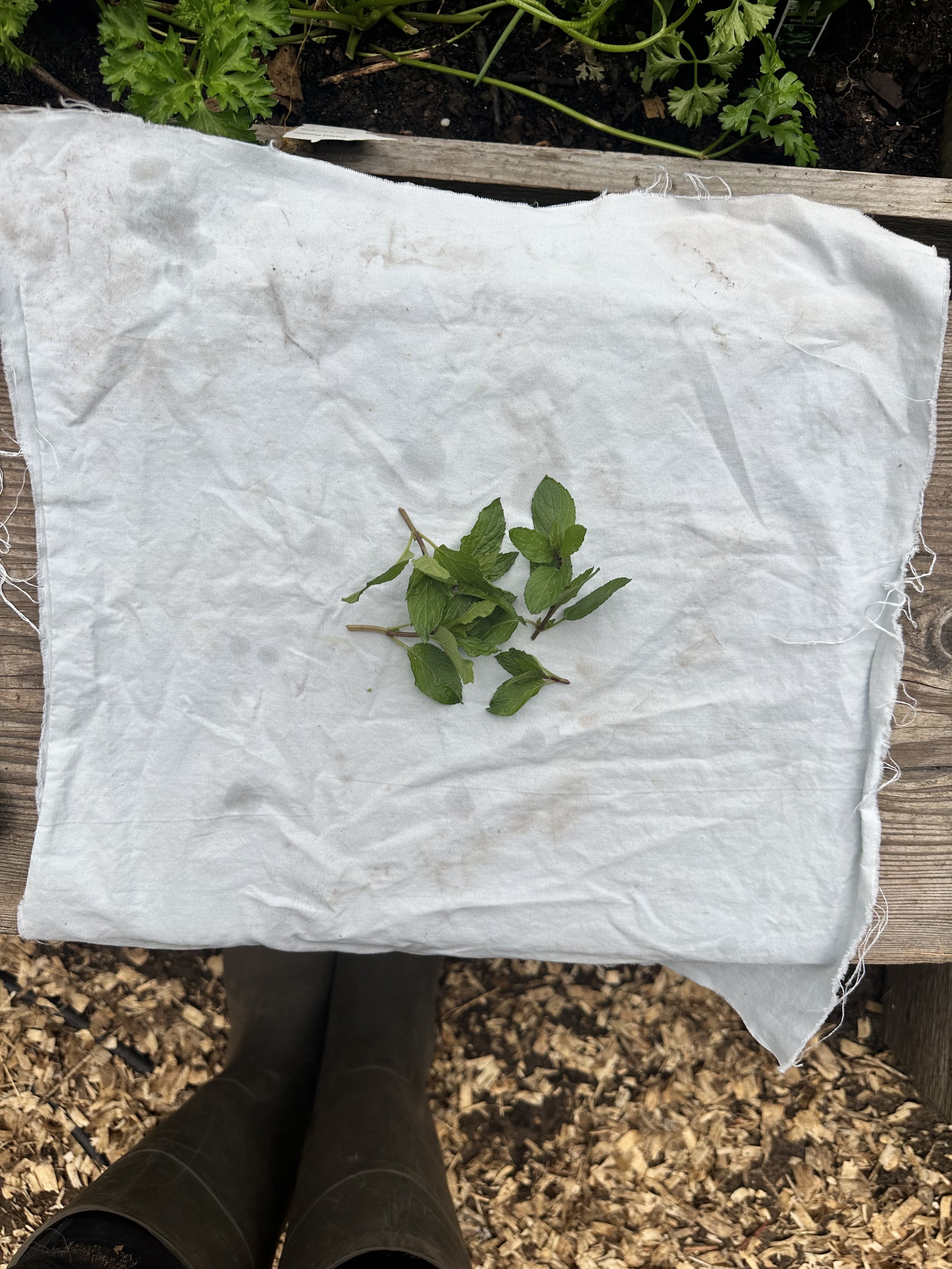
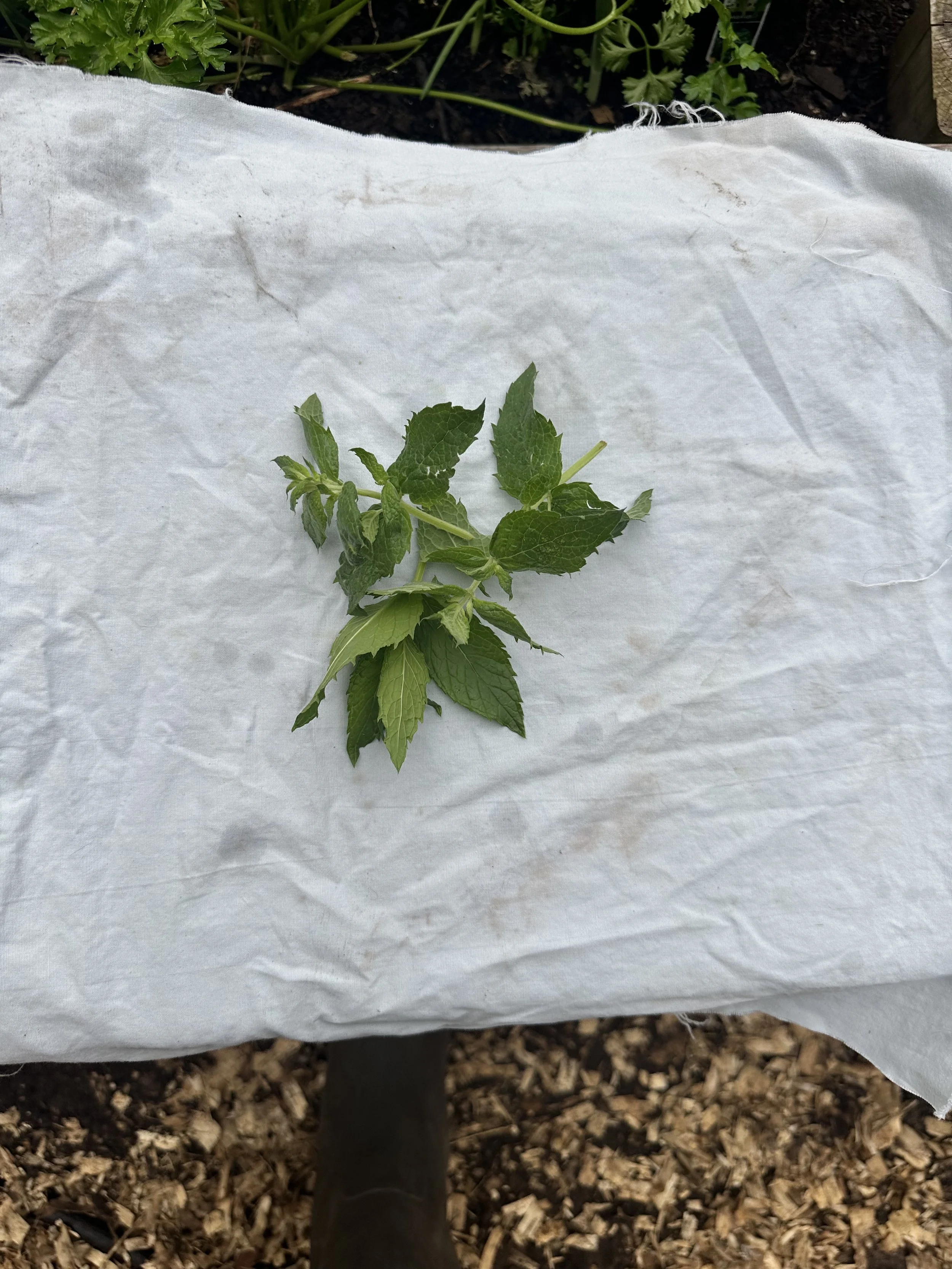
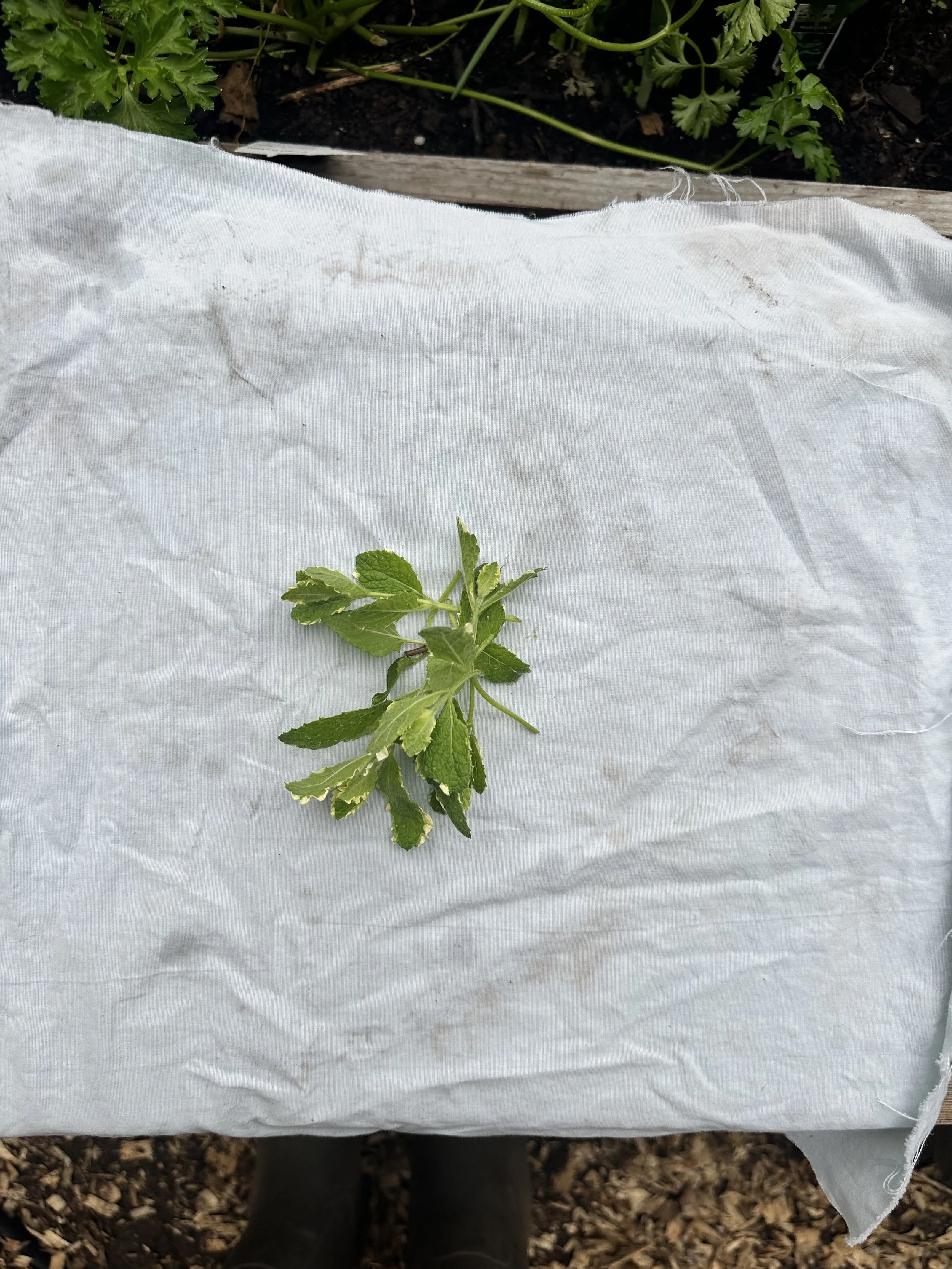
Mint / Spearmint / Peppermint (easy + grows fast)
Lemon balm (fresh + calming)
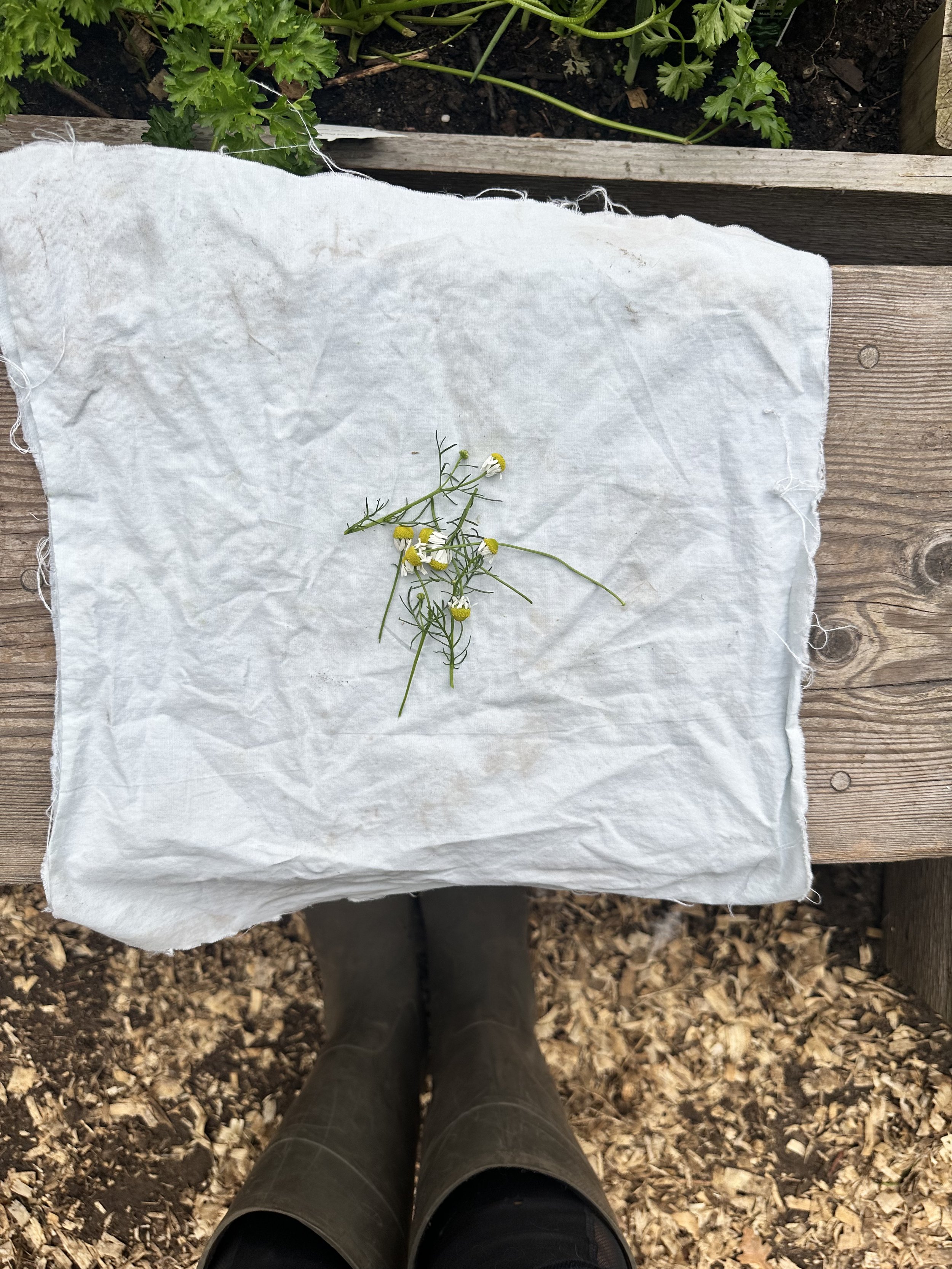
Chamomile (classic tea flavor)
Rosehips (adds depth + vitamin C) (I’ve been adding a rosebush or two to my garden each year.)
Dandelion (From your own lawn if possible and you can confirm the area or surrouding areas ahve not been sprayed with pesticides).
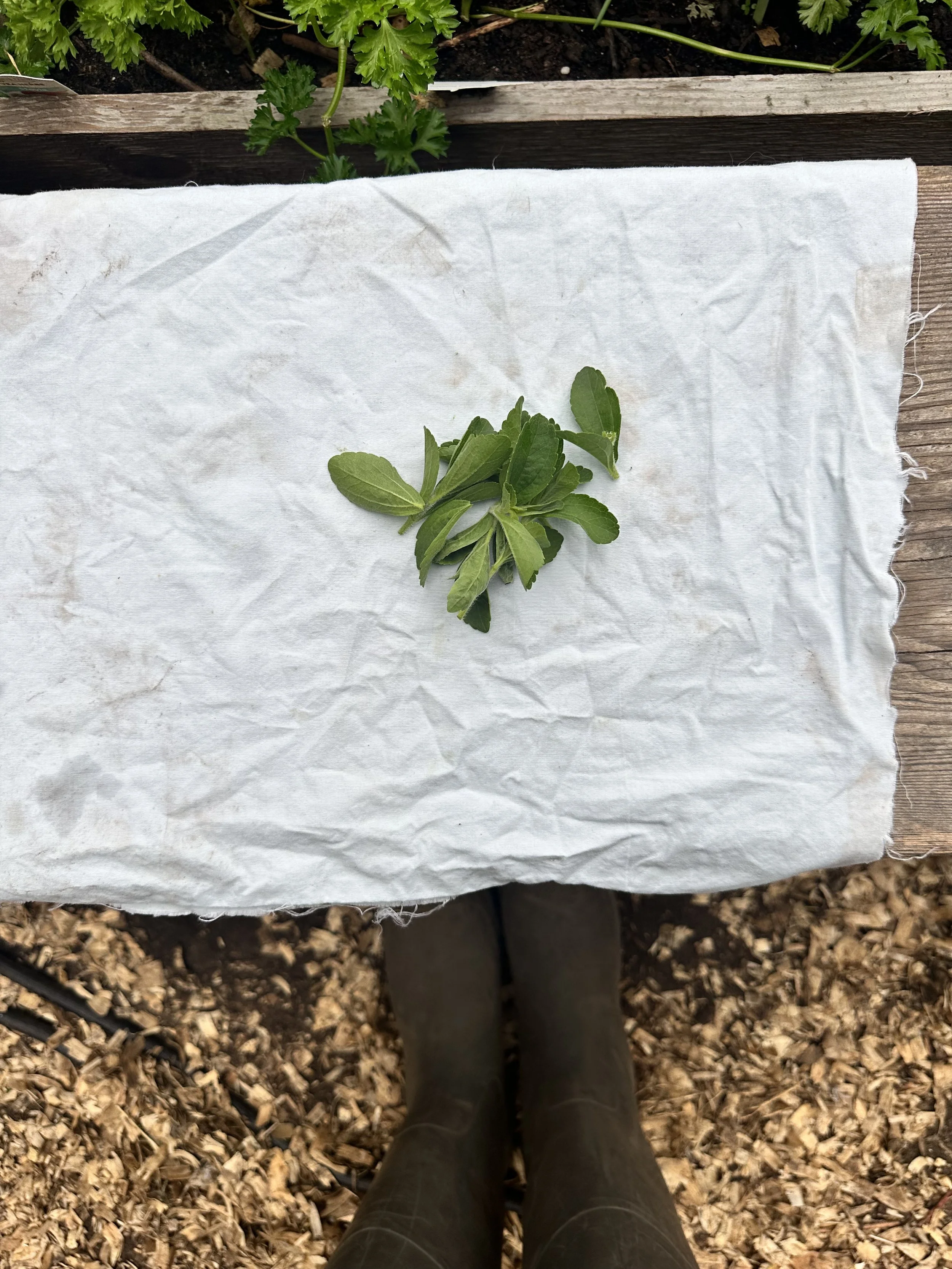
Stevia (natural sweetener)
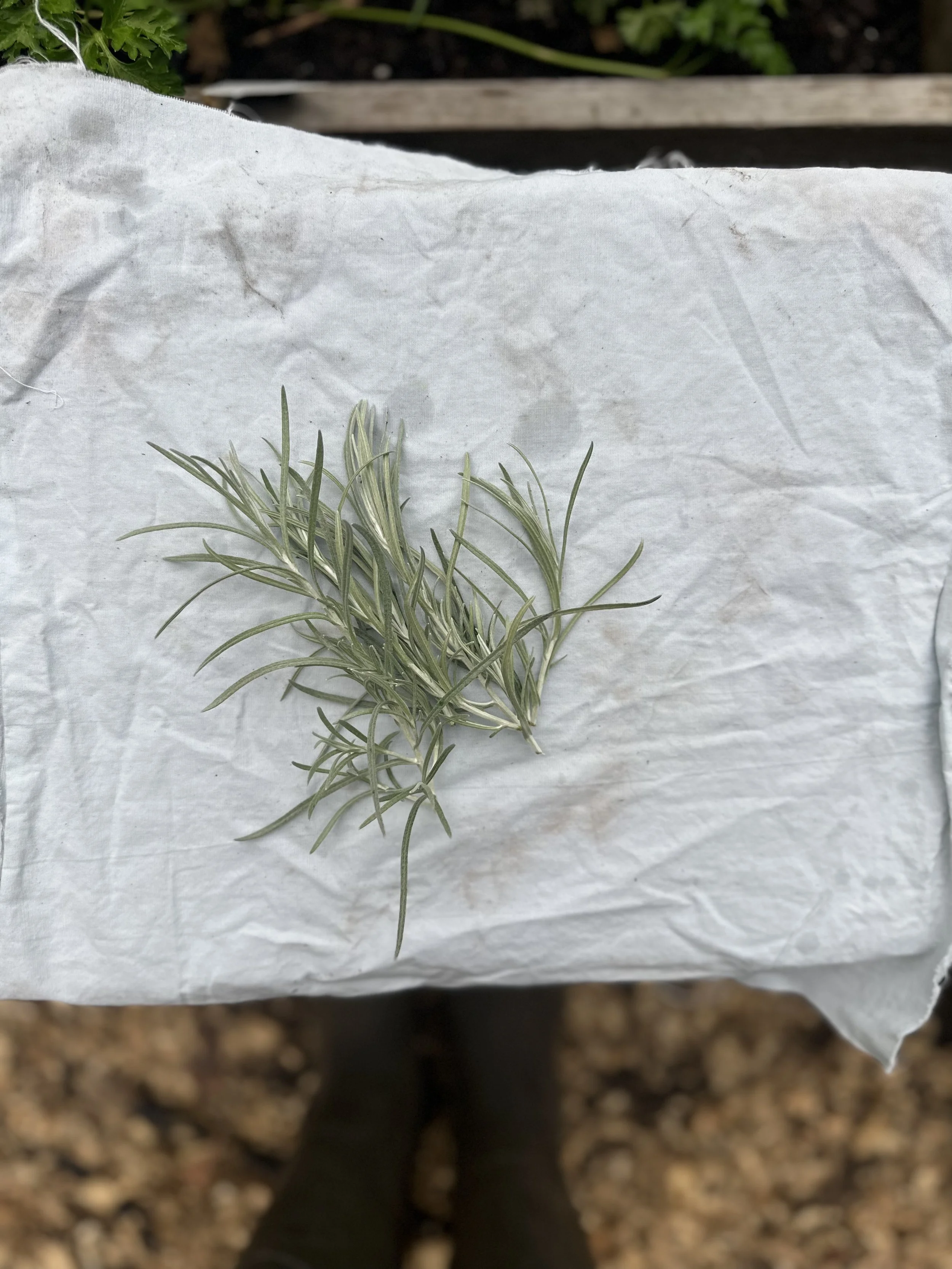
Lavender
Berries + leaves (raspberry, blueberry, etc.) (Scavange if possible and you can confirm the are has not been sprayed with pesticides).
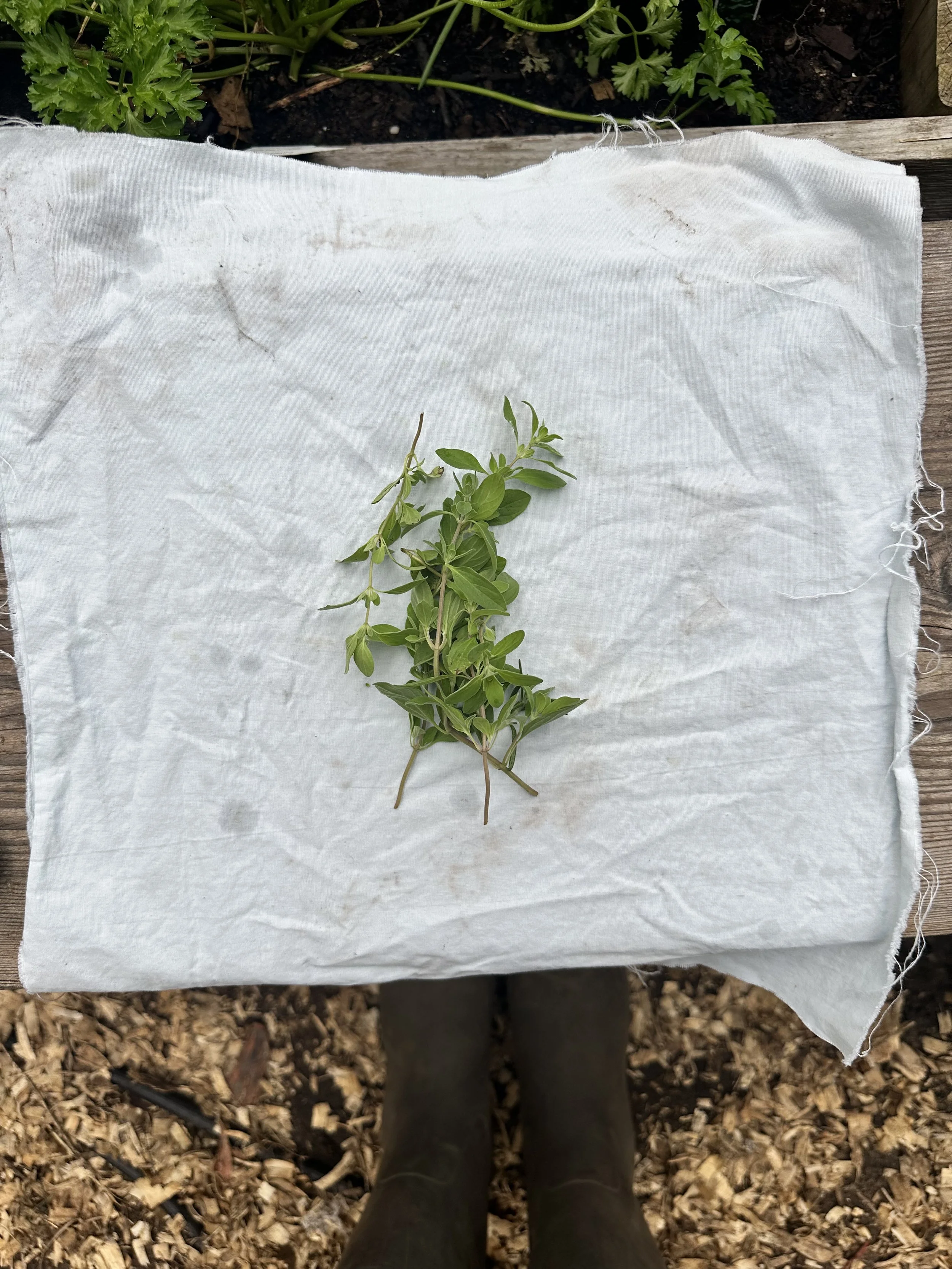
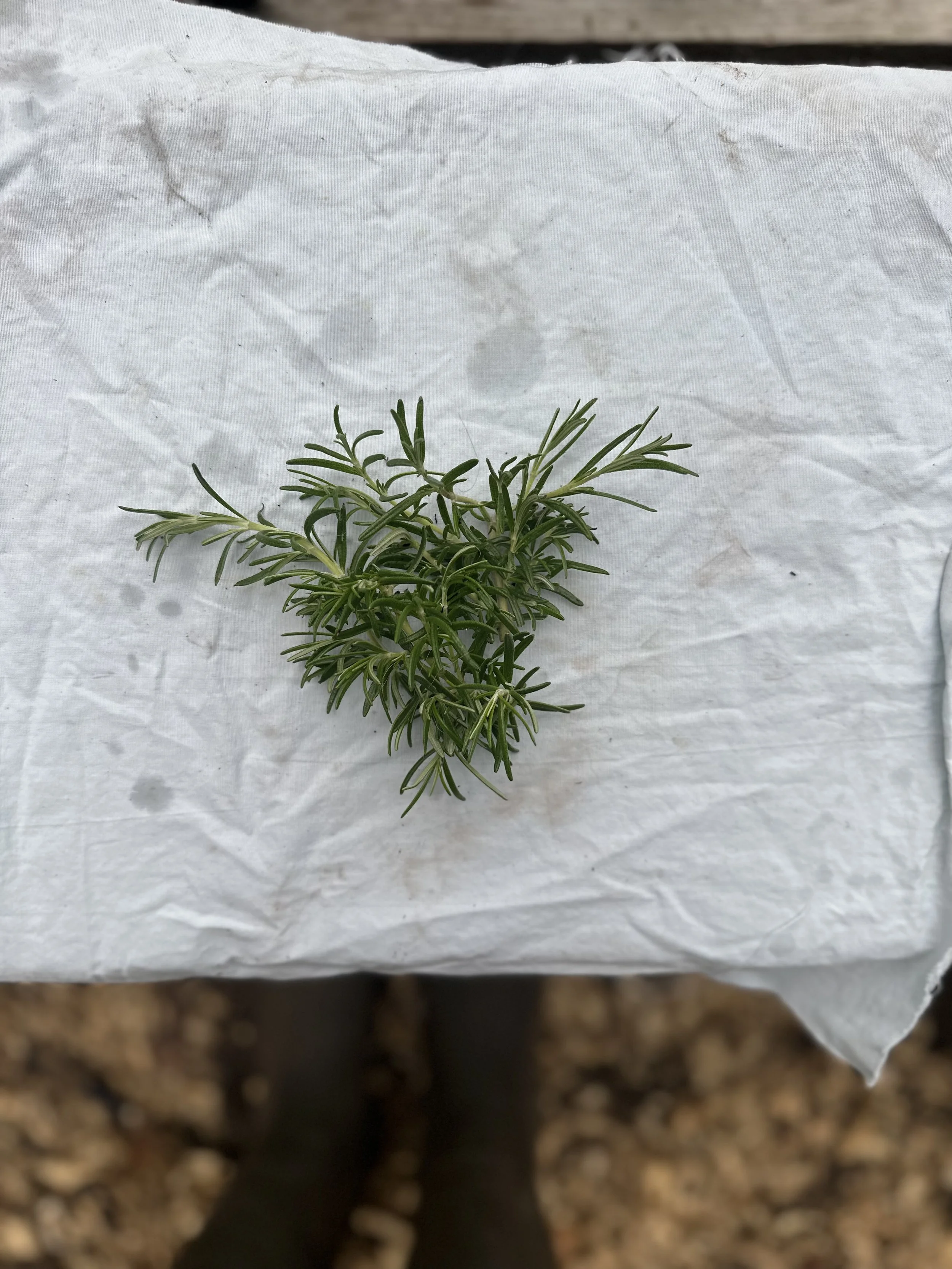
Rosemary + Thyme (I love adding these for a more earthy, herbal flavor)
Lately, I’ve been mixing in rosemary and thyme, and it gives the tea a deeper, more earthy flavor than I expected.
👉 You don’t need all of these. Start with 3–5.
-
I like growing in cedar garden beds I built, they are not perfect, but they keep my gardens together. If you are on a patio, use a grow bag or pot with good drainae, because it keeps things simple and contained.
Place it somewhere with 6–8 hours of sunlight
Use one or a few depending on your space
👉 Think easy, not perfect.
-
This matters more than people think.
Use a well-draining potting mix
Add a little compost if you have it
Fill your bag, leaving a few inches at the top.
-
Give your plants space to grow.
Starting from seed or from a small plant, just know they can and will often double or triple in size!
Add a nice mulch to the exposed soil to keep the moisture in the as logn as possible.
Mint and lemon balm can spread—consider placing them in small containers inside your grow bag
-
Not too dry, not soaked.
Water well after planting
Keep soil slightly moist
Check more often during hot days
👉 If you forget sometimes—you’re normal.
-
This doesn’t need to be complicated.
Trim plants to keep them full.
Pull any weeds that pop up
That’s it.
-
This is where it starts to feel really fun.
Snip leaves, flowers, or berries
Use scissors or garden shears
Many plants grow back fuller when you harvest regularly
-
Fresh or dried—both are beautiful.
Mix and match flavors:
Mint + lemon balm
Chamomile + stevia
Raspberry leaf + rosemary
You can enjoy your tea hot or cold, depending on the day. Adding a generous amount of honey and a squeeze of fresh lemon can take it to another level!
👉 Half the fun is experimenting and finding what you love.
-
If you want your tea garden to last beyond summer, preserving your herbs is simple and worth it.
You have two easy options:
Dehydrator:
A quick and efficient way to dry herbs while keeping their flavor strong.Air Drying (my favorite):
Tie small bundles of herbs or flowers with twine and hang them in a cool, dark place.
Let them dry slowly over time.
Drying them slowly helps preserve their color, which makes your tea look just as beautiful as it tastes.
Optional, but Worth It ☕
If you want to elevate the experience, use a glass teapot with a strainer.
Fill it with your herbs and flowers, pour hot water over, and watch everything open up as it steeps.
It’s not necessary—but it’s a simple way to slow down and enjoy the beauty of it.
-
Some plants won’t survive a Minnesota winter outside, so you have two options—let them go and replant next season, or bring a few favorites inside.
You can keep certain herbs going through winter by:
Moving them into smaller pots
Placing them near a south-facing window
Watering lightly and consistently
Just know—winter light is weaker, so growth slows down. You’re mostly keeping them alive, not growing a full garden.
👉 Simple approach: Pick 2–3 plants you love and keep those going.
Bonus: Let Your Garden Grow 🌱
Some plants can be propagated again and again.
A fun way to expand your garden is by propagating. Rosemary, thyme, mint and lavender are all herbs that can be propagated.
At the end of the season, let your herbs and flower go to seed. Save seeds for next season
Share with friends
Slowly expand your garden over time
What starts as one bag can turn into something much bigger.
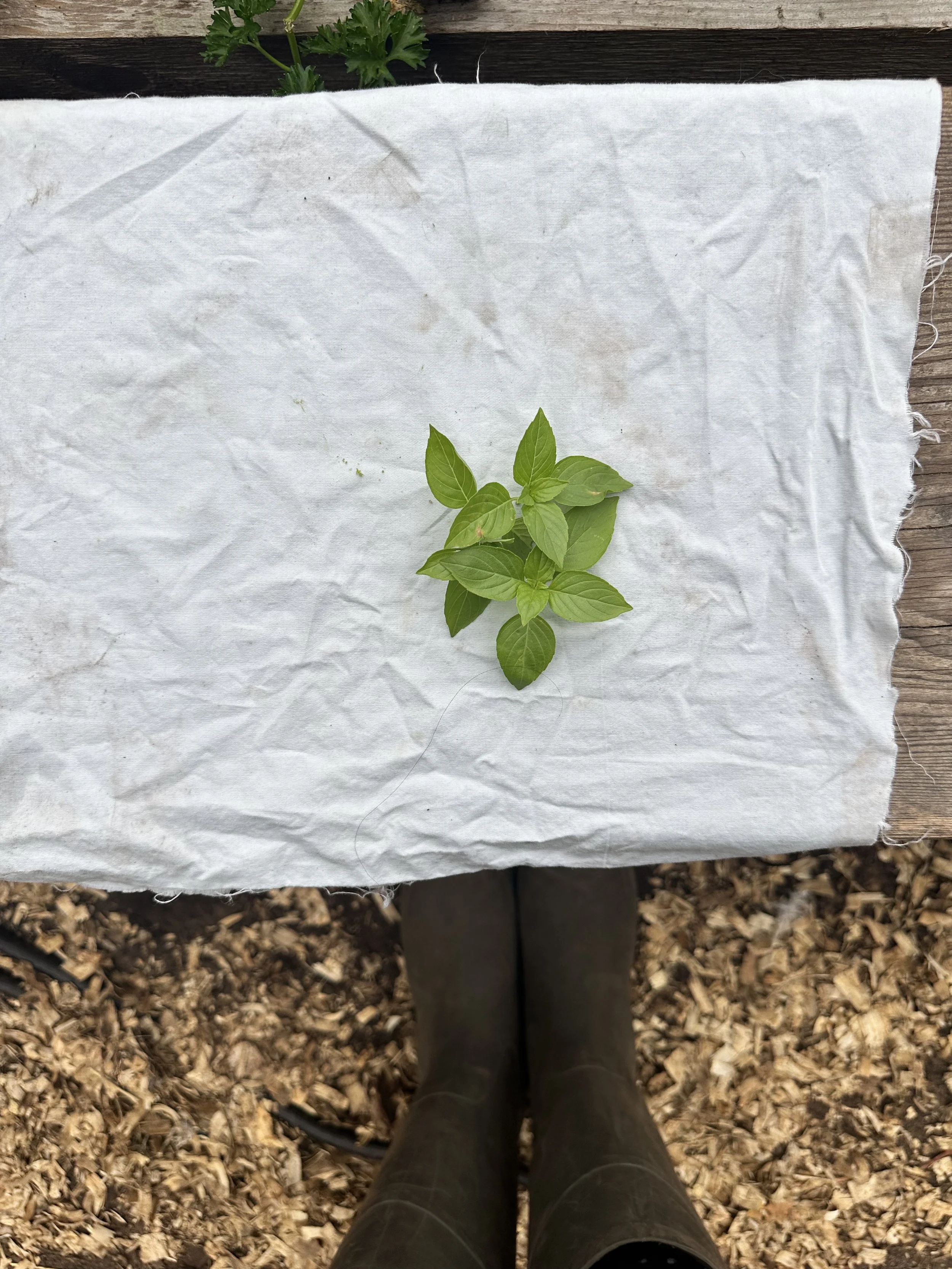
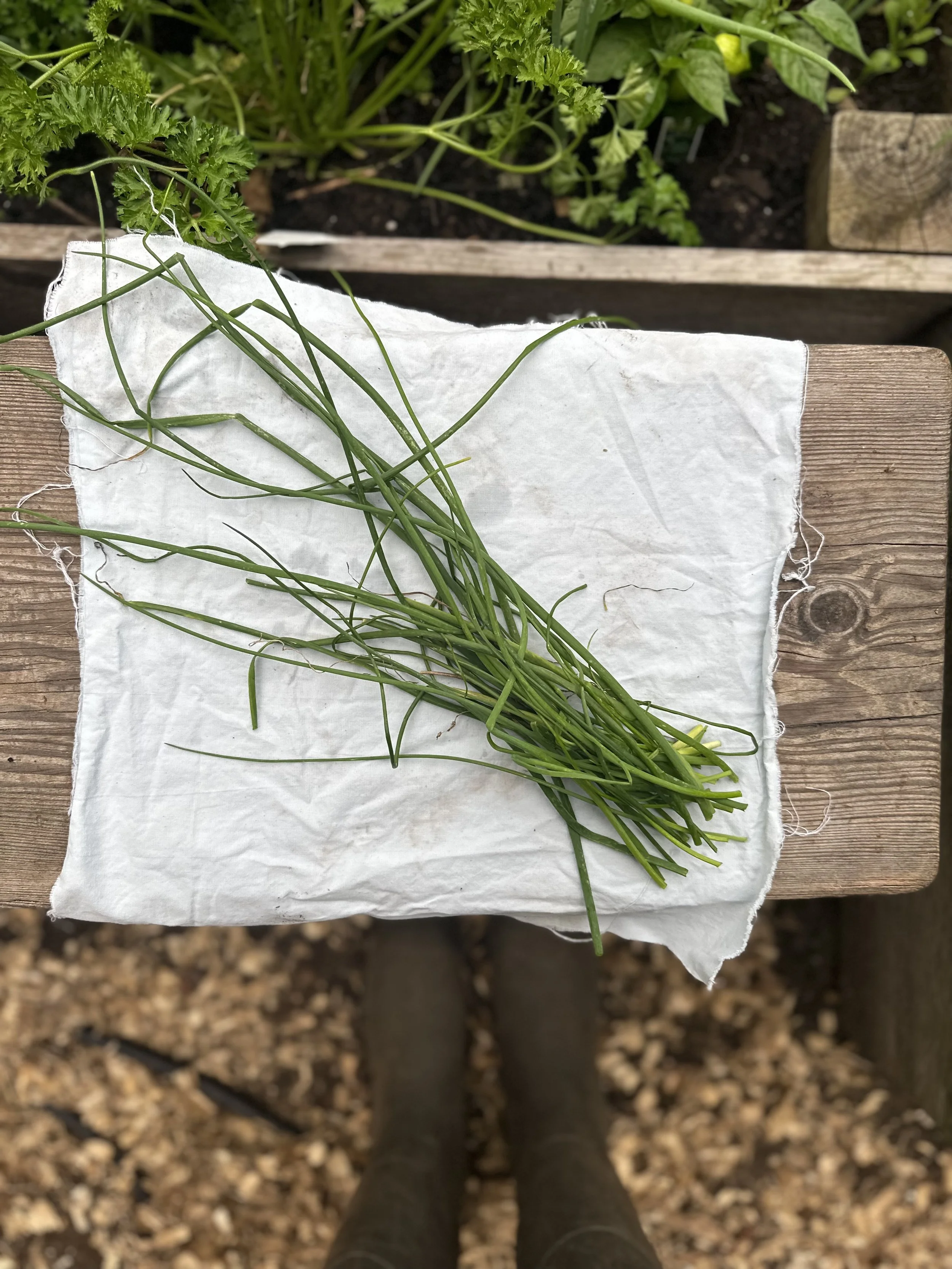
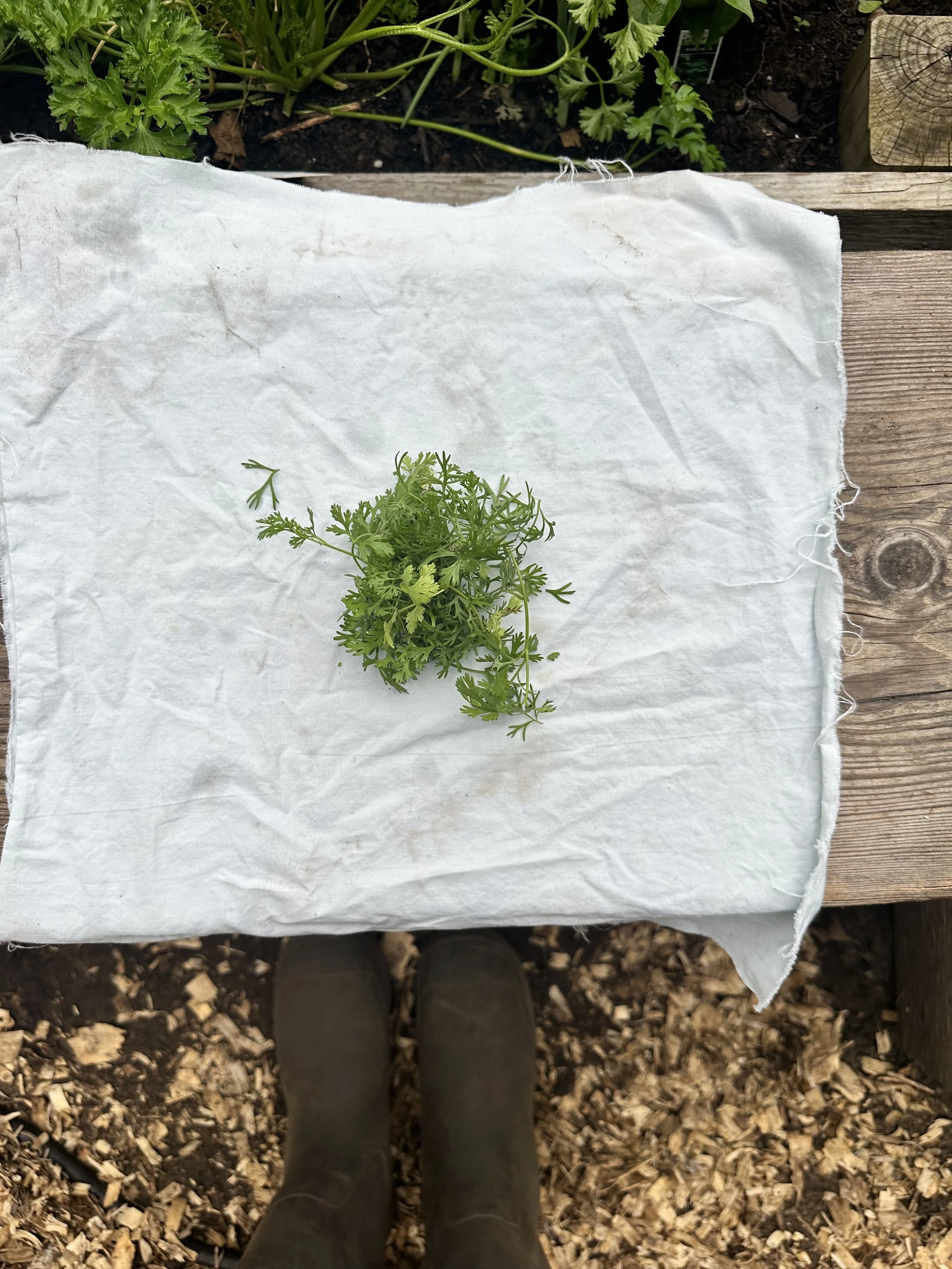
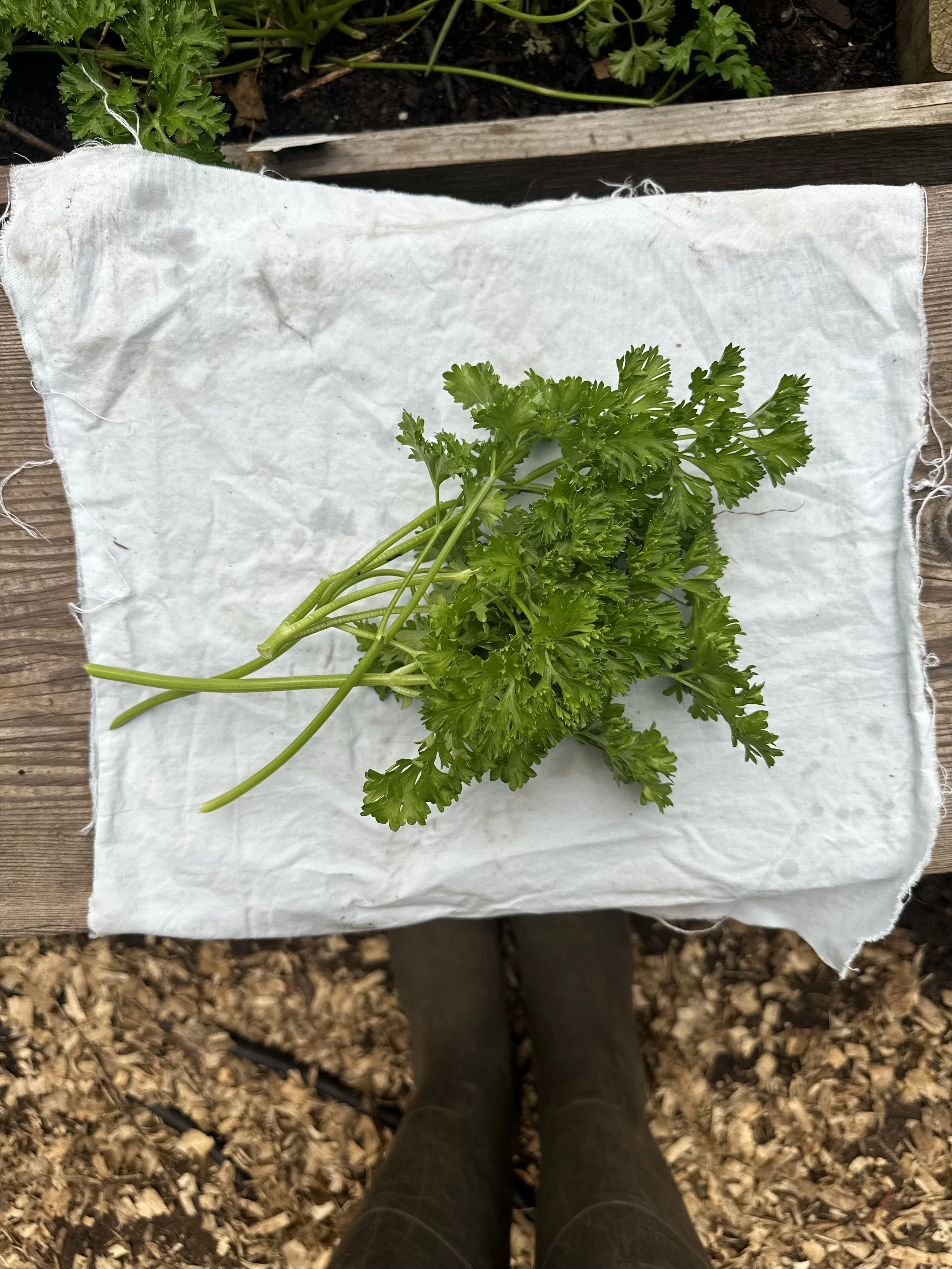
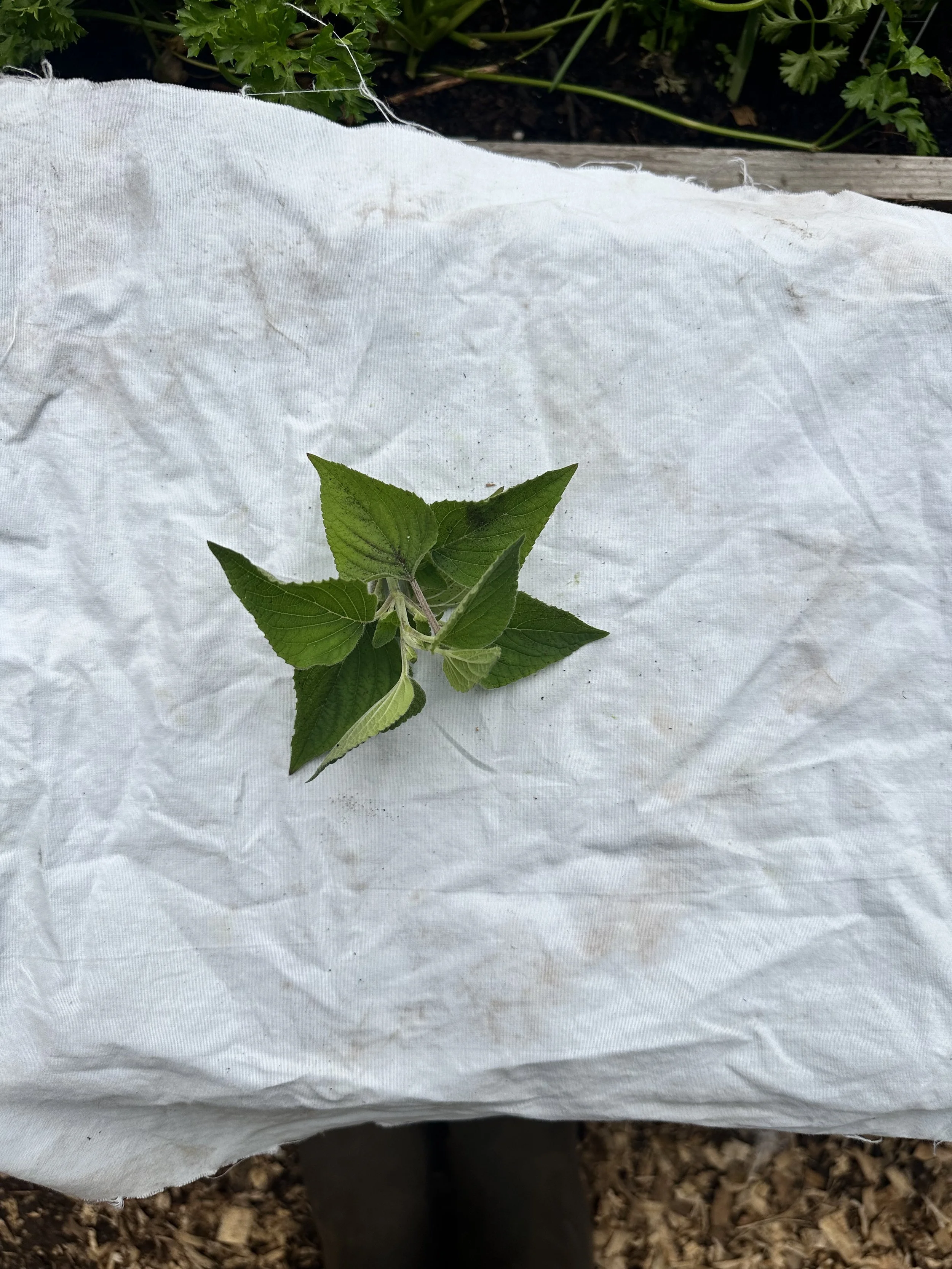
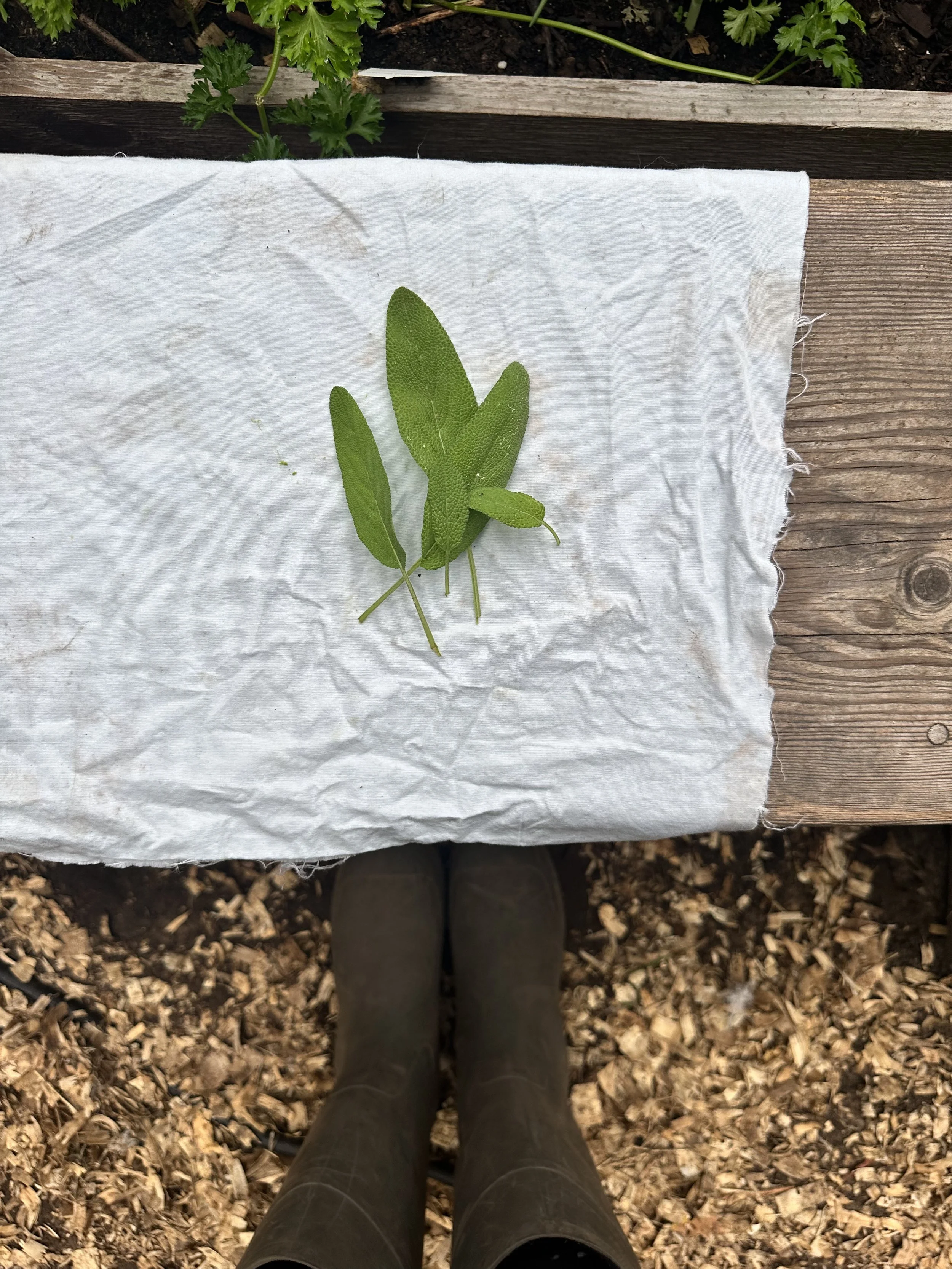
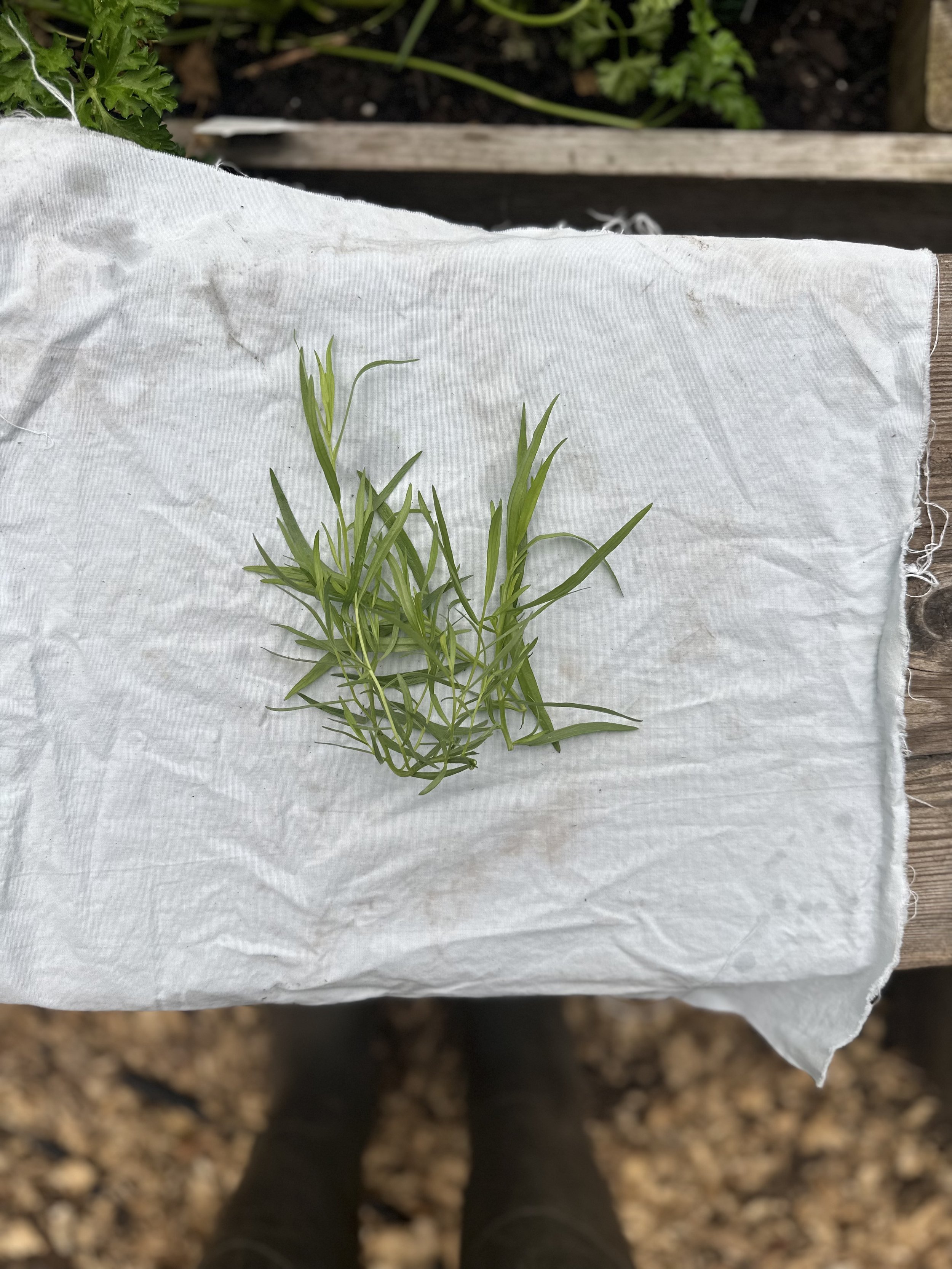
Some of my favorite Herbs to grow:
Tea End
This isn’t about having a perfect garden.
It’s about stepping outside, picking something simple, and creating a small moment in your day.
If you try this, I’d genuinely love to hear what you grow.
– Ariela
If you want a free download to my guide click here: